

Understanding vehicle recall history is vital for safety and asset preservation. Official sources like NHTSA offer up-to-date recalls, categorized by urgency. Prioritize repairs based on severity and impact, using part numbers as a filter. For classic cars, authentic parts are crucial; maintain records for verification. Double-check repair integrity before driving, focusing on fitting and system testing. Adhering to these practices ensures vehicle safety and reliability. Select Vehicle Recalls proactively for optimal management.
In the automotive industry, vehicle recalls are a critical aspect of ensuring safety and quality. Selecting Vehicle Recalls wisely can lead to significant cost savings for both manufacturers and consumers. However, navigating these processes can be complex, with many factors influencing the impact on individual drivers. This article delves into the intricacies of saving big on vehicle recalls, providing expert insights and practical strategies to help you make informed decisions. By understanding the dynamics at play, you’ll gain the knowledge needed to optimize recall management and protect your investment.
- Understand Your Vehicle's Recall History
- Efficiently Select and Prioritize Recalls
- Safely Execute and Verify Recall Repairs
Understand Your Vehicle's Recall History

Understanding your vehicle’s recall history is a crucial step in navigating the world of automotive safety and ensuring you’re making informed decisions. Every year, auto parts suppliers issue voluntary and mandatory recalls for various components, including gas tanks, due to potential safety hazards. For example, in 2021, several major manufacturers recalled millions of vehicles due to faulty gas tanks that could lead to fires. Staying abreast of these recalls is vital not only for your safety but also for maintaining the historic value of your vehicle post-recall.
One of the primary ways to stay informed is by regularly checking official sources such as the National Highway Traffic Safety Administration (NHTSA) and manufacturer websites. These platforms provide up-to-date information on ongoing and past recalls, allowing you to identify any issues specific to your vehicle. For instance, voluntary recalls, which are initiated by manufacturers without a mandate from NHTSA, can be more limited in scope but still warrant attention. In contrast, mandatory recalls, triggered by safety defects discovered during rigorous testing or reported by the public, carry a higher level of urgency and should be addressed immediately.
When evaluating a vehicle’s recall history, it’s essential to consider both the frequency and severity of recalls. Some cars may have had minor issues resolved through routine maintenance, while others might have experienced more significant safety concerns. For example, gas tank recalls often target older vehicles with known vulnerabilities to corrosion or impact damage. By understanding these nuances, you can make a more informed choice when selecting a vehicle, especially if you’re looking to preserve its value over time. Proactive management of recall history can also help ensure the longevity and reliability of your automotive investment.
Efficiently Select and Prioritize Recalls

When facing vehicle recalls, efficient selection and prioritization are key to saving significant costs and ensuring customer satisfaction. The process involves navigating a complex landscape, where each recall has unique characteristics, affecting different models and components. For instance, comparing luxe auto recall trends reveals a shift towards more intricate systems in modern vehicles, particularly with the rise of electric vehicles (EVs). These changes necessitate a strategic approach to recall management.
A practical step is to utilize part numbers for vehicle recalls as a primary filtering mechanism. The National Highway Traffic Safety Administration (NHTSA) offers valuable tools, such as their recall search platform, which allows professionals to input specific part numbers to identify relevant recalls. This targeted method minimizes unnecessary work and resource allocation. For example, when dealing with EV recalls, focusing on part numbers related to battery systems or electric motors can streamline the process, as these are common areas of concern.
Furthermore, prioritizing recalls based on severity and impact is essential. Not all recalls carry equal weight; some may affect only a small number of vehicles or pose less severe safety risks. By ranking them accordingly, repair shops and dealerships can allocate time and budget efficiently. This strategic selection ensures that critical issues are addressed promptly while managing the logistical and financial implications of large-scale campaigns. For instance, an NHTSA recall search might reveal a low-volume, minor cosmetic issue compared to a more widespread safety defect, guiding the decision to allocate higher priority to the latter.
Safely Execute and Verify Recall Repairs
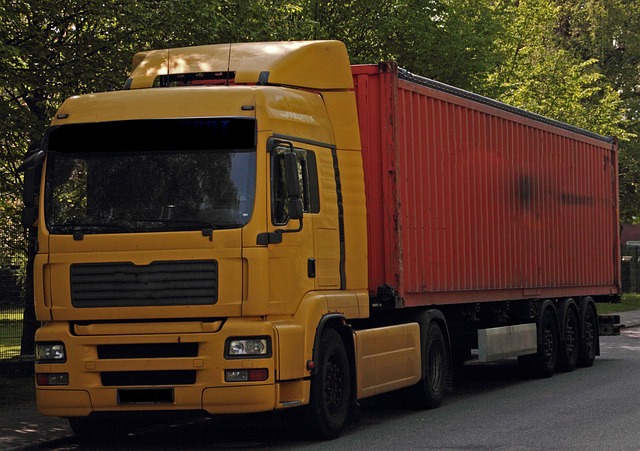
Safely executing and verifying recall repairs is a critical step for vehicle owners to ensure their safety on the road. When a vehicle recall is issued, it’s essential to follow recommended procedures to restore the vehicle to its proper condition. This process involves identifying affected components, obtaining the necessary parts, and performing the repairs according to manufacturer guidelines. For instance, tire safety regulations worldwide have led to numerous recalls for issues related to tread separation and blowouts, emphasizing the need for diligent verification during repair.
Restoring recalled classic cars poses unique challenges, as these vehicles may lack up-to-date safety features. Owners must consult original equipment manufacturers or specialized restoration shops to source authentic parts and ensure compatibility. Regular maintenance records and historical data can aid in verifying that repairs are comprehensive. Additionally, utilizing manufacturer recall hotlines is a practical step to stay informed about the latest updates and ensure compliance with airbag recalls by maker, which have been frequent in recent years, affecting both modern and vintage models.
Expert mechanics recommend double-checking each repair’s integrity before hitting the road. This verification process includes checking for proper fitting, securing all components, and testing systems to ensure optimal performance. For instance, airbag inflators have been a significant focus of recalls due to potential shattering or non-deployment, highlighting the importance of thorough inspection during the repair process. By adhering to these guidelines, vehicle owners can confidently navigate recalls and maintain their vehicles’ safety and reliability.
By understanding your vehicle’s recall history, efficiently selecting and prioritizing recalls, and safely executing and verifying repair work, you can significantly save on vehicle recall costs. Key takeaways include maintaining a comprehensive record of past recalls, choosing repairs based on safety impact and cost-effectiveness, and ensuring all work is performed by qualified professionals using genuine parts. Selecting vehicle recalls strategically allows owners to focus their resources on the most critical issues, ultimately enhancing vehicle safety and peace of mind.