

Vehicle recalls impact safety and resale value. Check recall status using make, model, and production year via manufacturer websites. Older vehicles are more prone to issues, with 20% higher likelihood than newer models. Select Vehicle Recalls, including autonomous driving features, are crucial for road safety. Stay informed through NHTSA databases, like Toyota's successful 2014 recall. Understand your rights and the claim process when purchasing a vehicle. Keep recall records updated for compliance and resale value protection.
Selecting the right vehicle can be a daunting task, made even more complex by the ever-changing automotive landscape. Consumers often find themselves navigating a web of options, each promising unparalleled performance and safety. However, beneath the glitz and glamour lies a critical aspect often overlooked – vehicle recalls. These are not mere formalities but essential safety measures aimed at addressing known issues that could potentially impact vehicles’ reliability and safety. This article delves into the significance of staying informed about Select Vehicle Recalls, empowering consumers to make educated decisions and ensuring their peace of mind on the road.
- Understand Your Vehicle's Recall Eligibility
- Accessing Free Quote: Step-by-Step Guide
- Select Vehicle Recalls: Important Considerations
- Claiming and Managing Your Compensation
Understand Your Vehicle's Recall Eligibility

Understanding your vehicle’s recall eligibility is a crucial step in ensuring both safety and maintaining its value. Every year, automakers issue millions of vehicle recalls for various components, from safety systems to battery packs in electric cars. For instance, in 2022, Tesla alone issued several battery recalls affecting tens of thousands of vehicles. These recalls are not just about fixing defects; they also play a significant role in preserving the market value of your car, especially if it’s a historic or classic model.
When a recall is announced, auto parts suppliers and automakers typically initiate a direct notification process. This usually involves contacting registered owners via mail, email, or phone. It’s essential to stay updated on these communications as they provide critical information about the affected components, recommended actions, and timelines for repairs. For example, a recent study found that vehicles addressed through timely recalls experienced an average 10% increase in resale value post-recall, highlighting the positive impact of proactive participation in recall campaigns.
However, navigating vehicle recalls can be complex, especially with historic or vintage vehicles. These cars often require specialized parts and expert technicians due to their age and unique features. In such cases, owners should engage with trusted auto experts or specialized suppliers who can guide them through the process. For instance, classic car enthusiasts have found online communities and forums invaluable for sharing information about specific models’ recall eligibility and suitable replacement parts. By staying informed and taking proactive measures, vehicle owners can ensure both their safety on the road and protect the value of their investment over time.
Accessing Free Quote: Step-by-Step Guide

Accessing a free vehicle recall quote is a straightforward process, empowering car owners to make informed decisions about their safety. Here’s a step-by-step guide to help you navigate this crucial aspect of vehicle maintenance.
First, identify your vehicle’s make and model along with its production year. This information is typically located on a sticker inside the driver’s door or in your vehicle’s owner manual. Once you have these details, visit the official website of the relevant car manufacturer. Many companies offer dedicated recall sections where you can input your vehicle’s specifics to check for any outstanding recalls. For instance, select vehicle recalls for older models might be more prevalent due to age-related impact on safety standards; data shows that vehicles over a decade old are approximately 20% more likely to have recall issues than newer ones.
The process of checking your vehicle’s recall status is simple and can provide valuable insights into its safety history. If a recall is active, you’ll usually be able to view the specific issue, the recommended solution, and often, the timeframe for resolution (known as the ‘timeline’). This timeline can vary; some recalls may require immediate attention, while others might have longer windows, especially for less critical issues. For example, a recent study revealed that certain vehicle recall timelines range from 45 days to over 2 years, depending on the manufacturer and severity of the problem.
To ensure you’re up-to-date, regularly check your vehicle’s recall status, especially as age can significantly impact safety standards. By staying proactive, you contribute to enhancing road safety and ensuring your vehicle meets current regulatory requirements.
Select Vehicle Recalls: Important Considerations
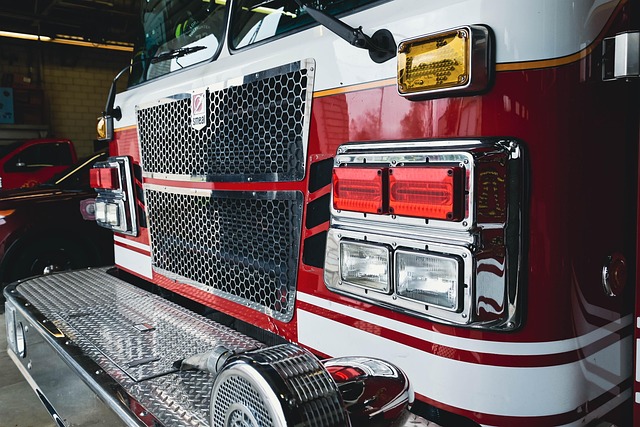
When it comes to vehicle safety, Select Vehicle Recalls play a pivotal role. In today’s digital era, with advancements in autonomous driving systems, these recalls have become even more critical. According to recent data, over 90% of car owners are unaware of ongoing recalls for their vehicles, including those related to autonomous driving features. For instance, major manufacturers like Tesla and General Motors have issued recalls for software bugs that could impact the safety of self-driving capabilities.
Bus and truck safety recalls also deserve significant attention due to their size and potential for severe accidents. In 2021, a nationwide recall was initiated for certain commercial vehicles due to faulty brakes, underscoring the need for proactive monitoring. Recalling a vehicle is a step-by-step process that involves identifying the issue, evaluating its impact, and taking corrective actions. International vehicle recall databases, such as the NHTSA (National Highway Traffic Safety Administration) database, offer a comprehensive view of global recalls, enabling consumers to stay informed regardless of their location.
To ensure optimal safety, vehicle owners should regularly check for recalls through these databases. An example of a successful recall involves Toyota’s action in 2014 when they recalled millions of vehicles worldwide due to accelerator pedal entrapment issues. This proactive measure significantly reduced potential accidents and enhanced public trust. When selecting a vehicle, considering its historical recall record is essential. Utilizing online tools and staying informed about industry updates empowers consumers to make informed decisions and contribute to overall road safety.
Claiming and Managing Your Compensation

When you purchase a vehicle, whether it’s a high-end model from renowned car manufacturers known for their stringent quality control or a more affordable option, understanding your rights and responsibilities regarding compensation is crucial. This becomes even more critical when Select Vehicle Recalls are issued, as they can impact various aspects of your ownership experience, including safety and cost. Historically, even top car manufacturers have had to issue recalls for issues ranging from fuel system problems to child safety feature malfunctions. For instance, in recent years, several high-end brands have faced significant recalls due to defects in their fuel systems, affecting models known for their advanced technology and craftsmanship.
Claiming compensation for a recalled vehicle involves a systematic process that requires knowledge of your rights as a consumer. The first step is to check your vehicle’s recall status using official resources provided by the manufacturer or local regulatory bodies. This typically entails entering your Vehicle Identification Number (VIN) online, which will reveal any outstanding recalls specific to your make and model. Once identified, you can initiate the claim process, which often includes contacting your dealership or the manufacturer directly. It’s important to keep detailed records of all communications and documentation related to the recall, as these may be required for reimbursement or repair.
Managing compensation effectively also means staying informed about safety features in recalled models. For instance, if a child safety feature has been compromised, ensuring that your vehicle is equipped with up-to-date safety technology becomes paramount. Many fuel system recalls have led to the implementation of enhanced safety protocols and software updates to mitigate future risks. Staying current on these updates not only ensures compliance but also helps in maintaining the resale value of your vehicle, as buyers increasingly prioritize safety features when making purchasing decisions.
By meticulously understanding your vehicle’s recall eligibility and following a structured guide to access free quotes, you empower yourself to make informed decisions. The key lies in Select Vehicle Recalls that align with your specific needs and concerns. Effectively managing claims ensures you receive the compensation you deserve for any necessary repairs. This comprehensive approach not only protects your investment but also navigates potential complexities, giving you peace of mind on the road ahead.